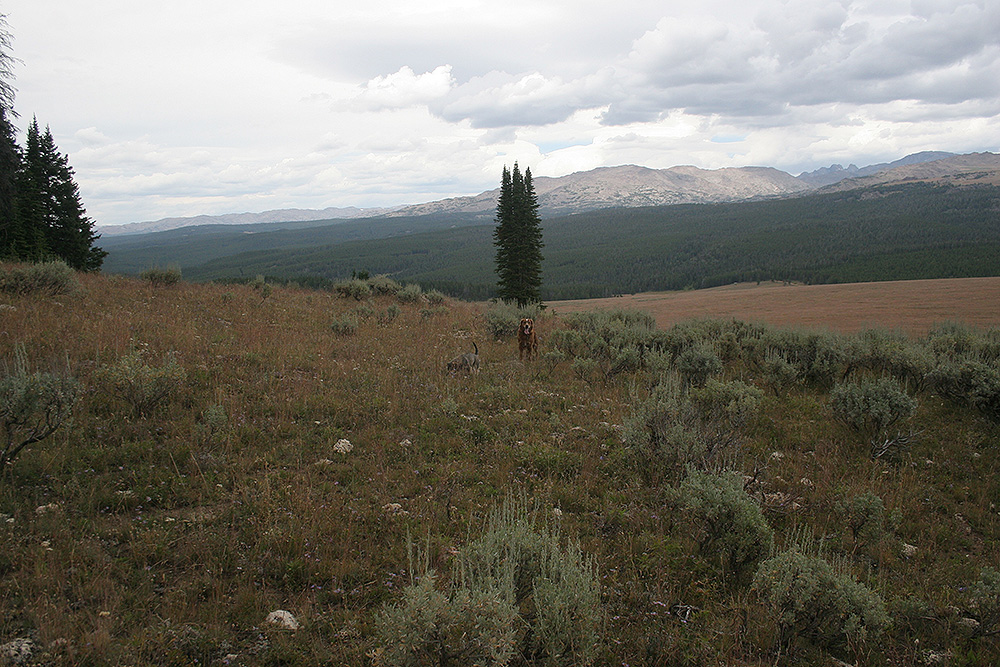
Edge of BLM and USFS grazing land on western slope of Big Horn mountains. Elevation is approx. 8,500 feet.
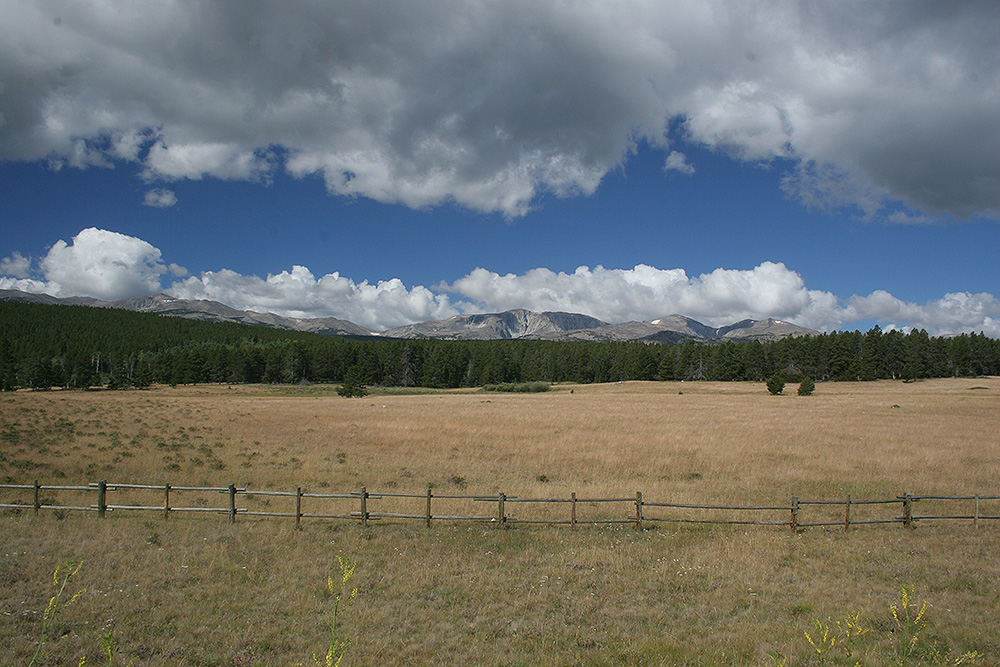
USFS grazing land eastern slope of Big Horn Mountatins. Elevation is approx. 7,500 feet. The peaks in the background are in the Cloud Wildness area.
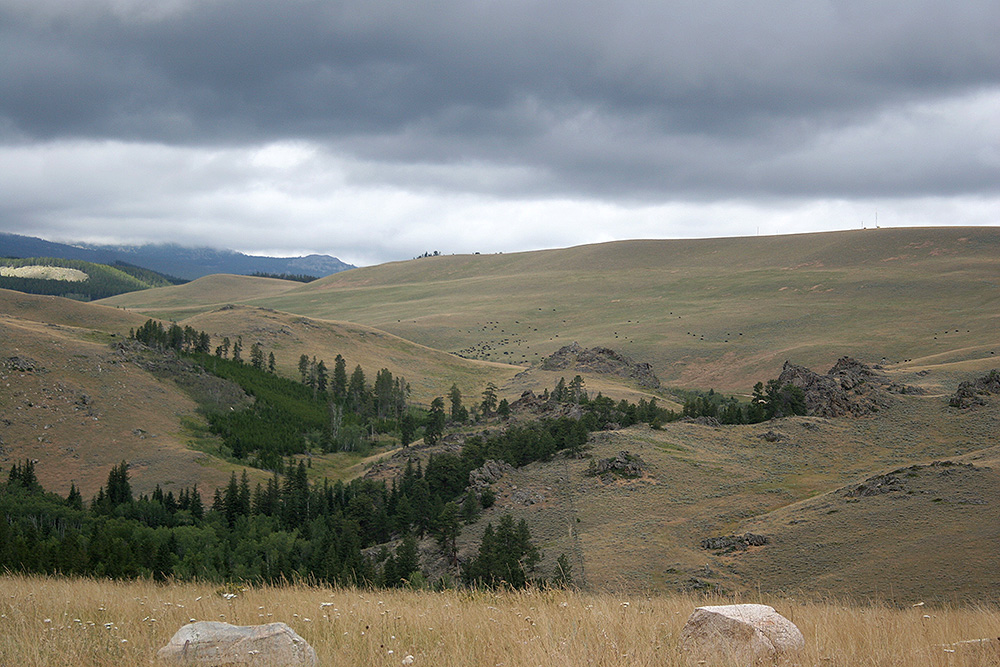
USFS grazing land on eastern slope of Big Horn Mountains. Elevation is approx. 7,500 feet. The black dots in the center of image are cattle.
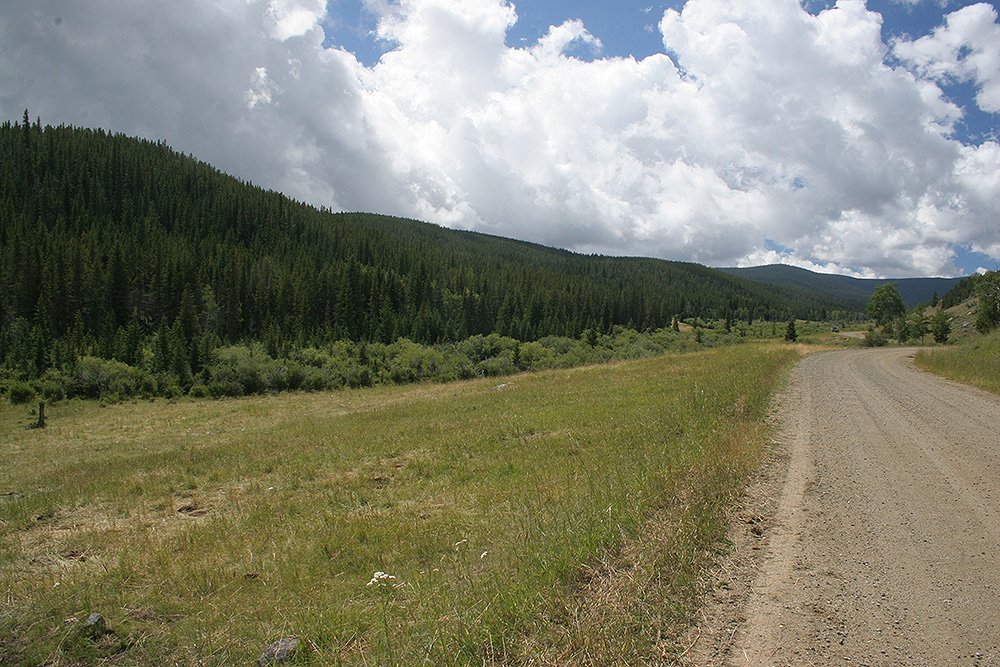
USFS grazing land on eastern slope of Big Horn Mountains. Elevation is approximately 8,000 feet. This is dual use, grazing and public recreation (fishing/camping).
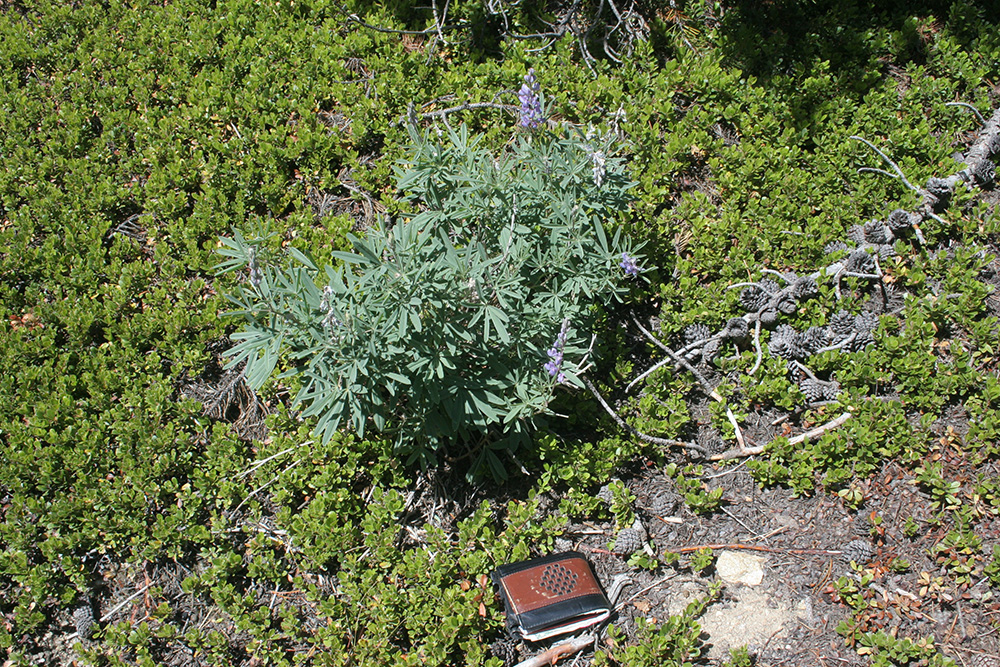
Example of Lupine in USFS grazing land on eastern slope of Big Horn Mountains. Elevation is approx. 8,500 feet.
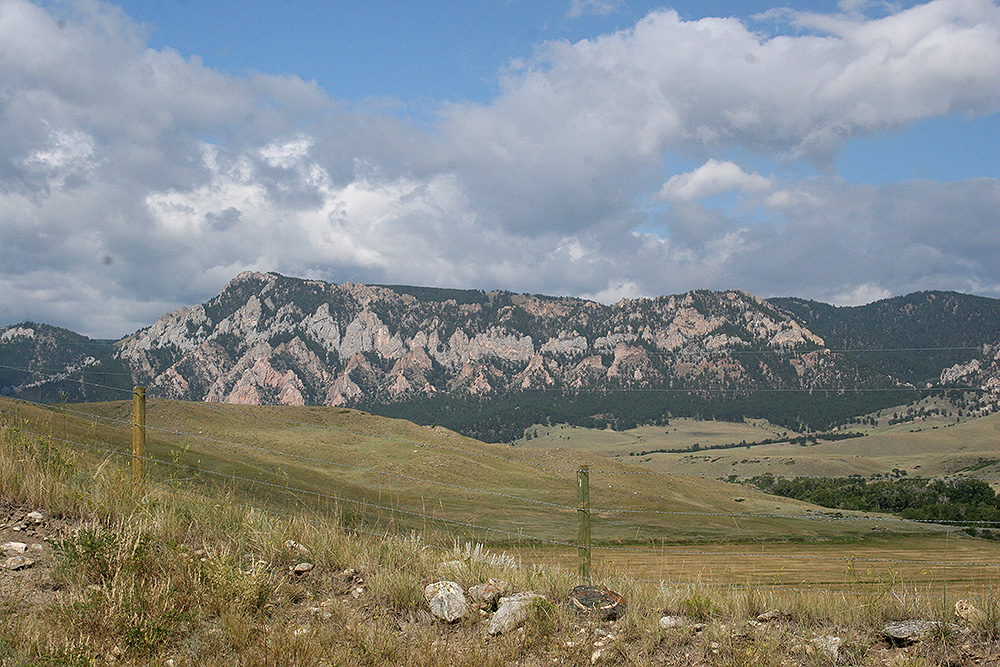
This is an example of privately owned grazing land in the foreground. The mountain and tree area are in USFS managed lands. Elevation is approx. 5,000 feet.
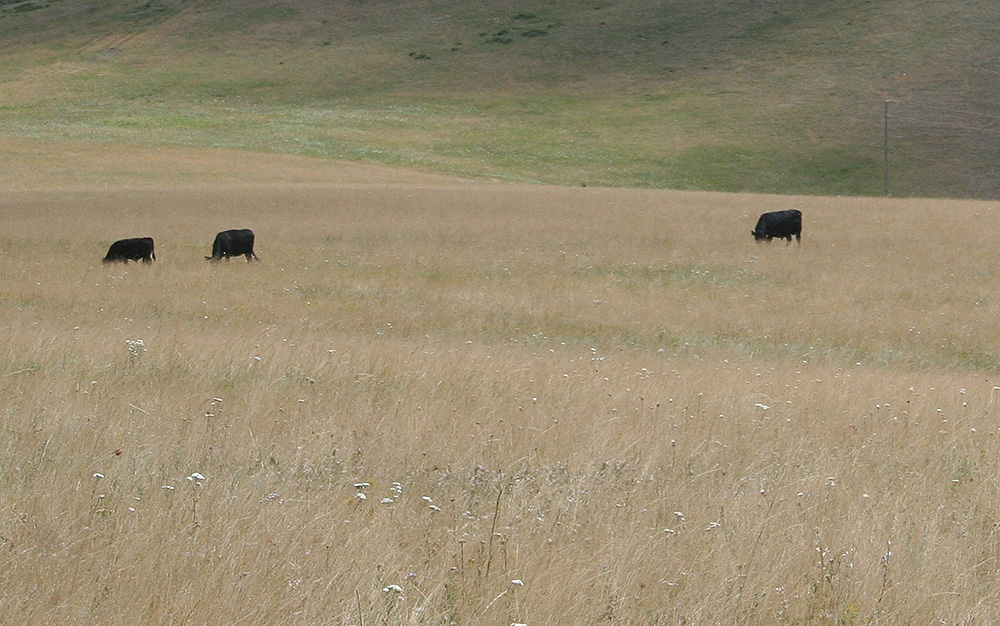
Typical grazing cattle found in the Big Horn mountain area. In the past they were typically solid black in color. Elevation is approx. 7,000 feet.
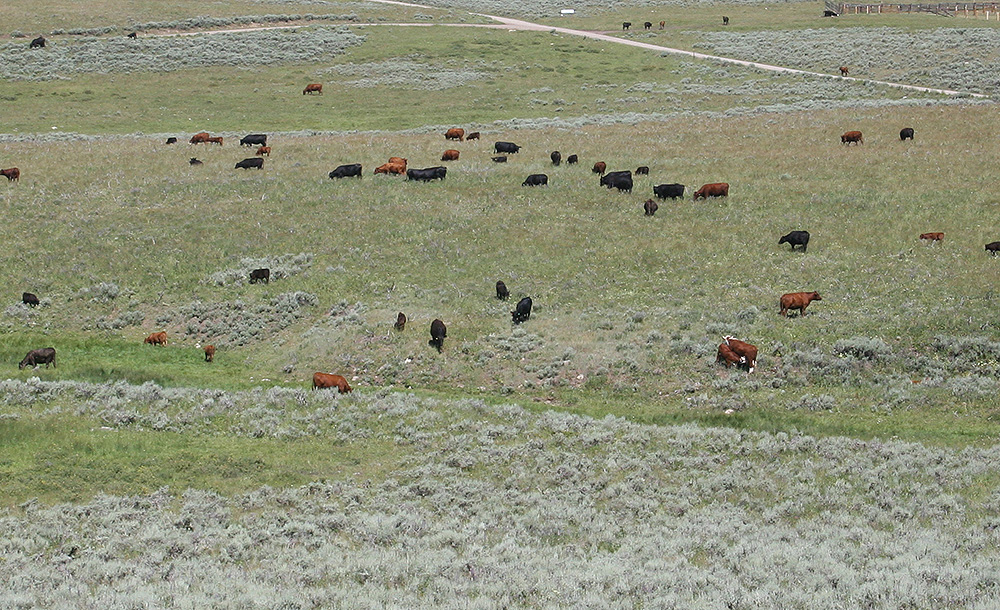
Example of grazing cattle observed in 2017 in Big Horn Mountains at 8,000 feet. Notice that now there are many red colored animals mixed in. Some of the red animals are solid red other are red with white heads. Previously in 2015, most animals were black in this same area.
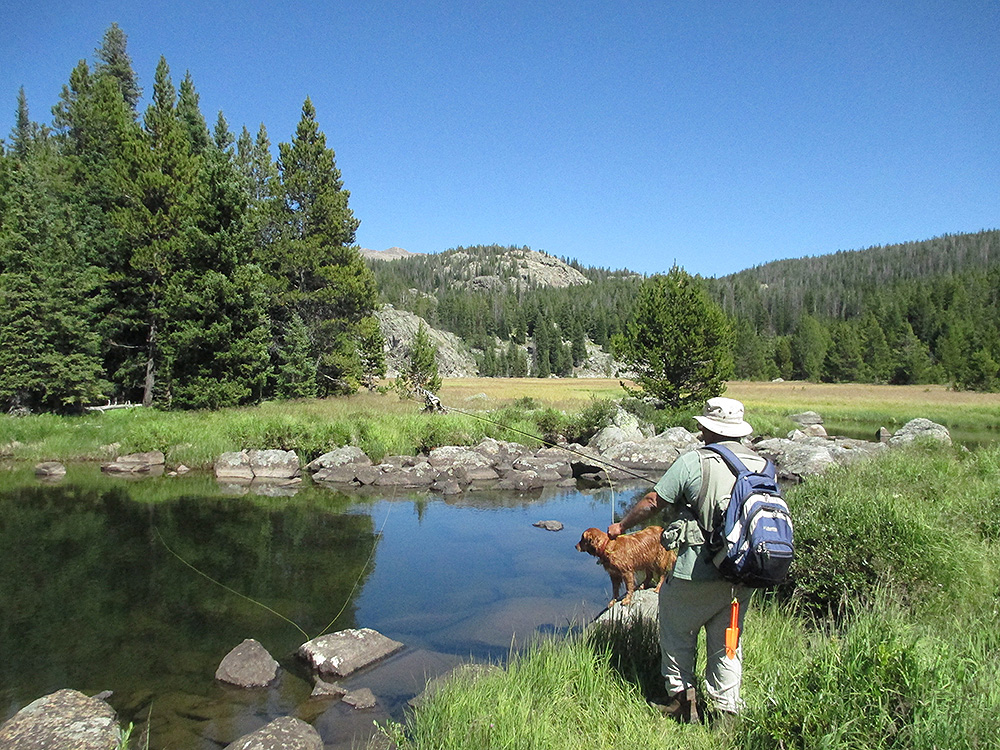
Example of land in the Cloud Wildness area of Big Horn mountains. Elevation is approx. 10,000 feet.
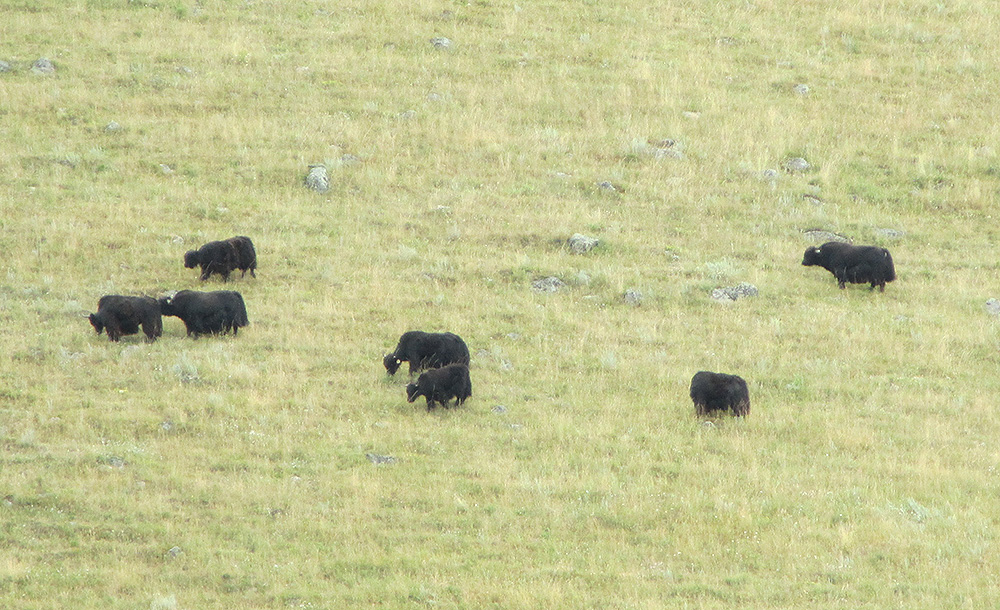
Strange creatures found grazing private land at 7,000 feet in Big Horn mountains. What are these and what might this indicate as uses for grazing land in Big Horn mountains and potential future opportunities.
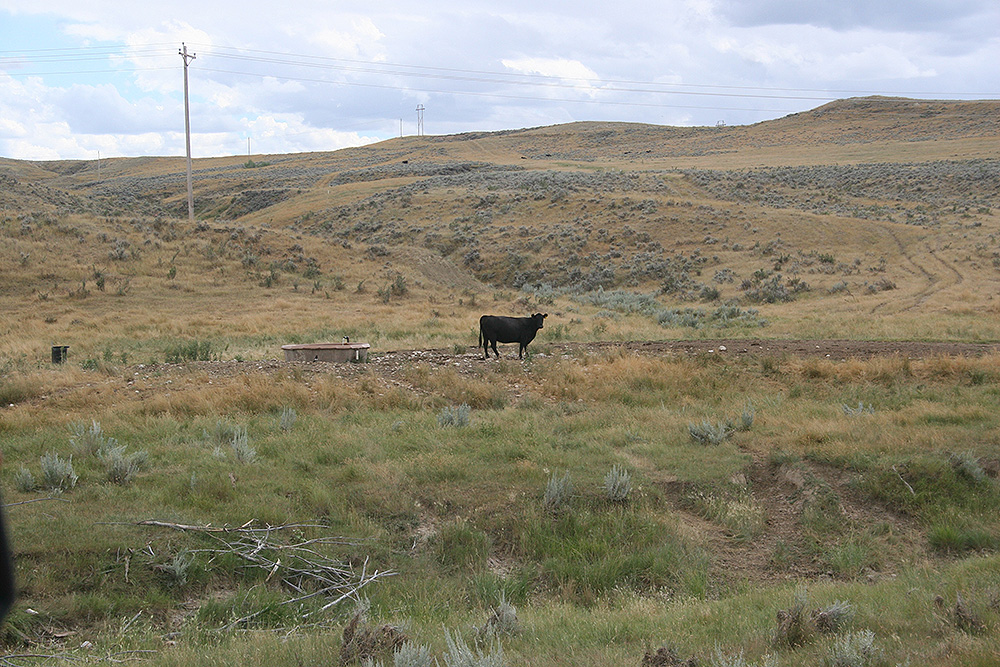
Grazing cow on BLM land of north central wyoming. Note the improvements made with a water source. Who owns this improvement? Notice the cwo is black.
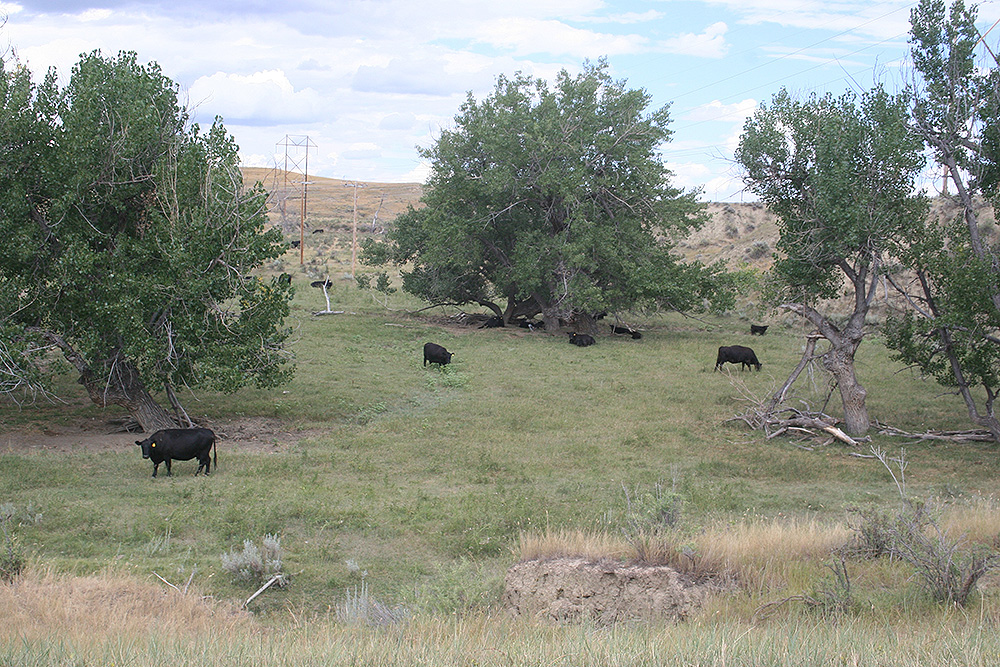
Grazing cattle in north central Wyoming on BLM land. Do you see any water source in this small valley? Notice the cows are black.
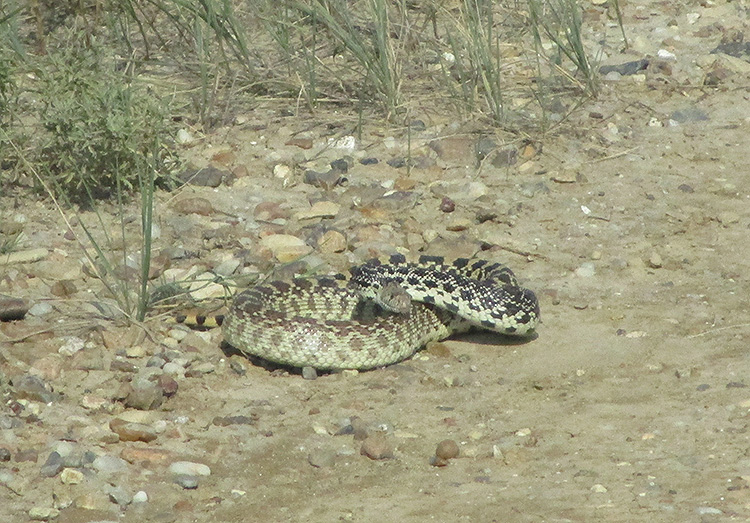
Native inhabitant of eastern Wyoming, northwestern Nebraska, western South Dakota. What is this?
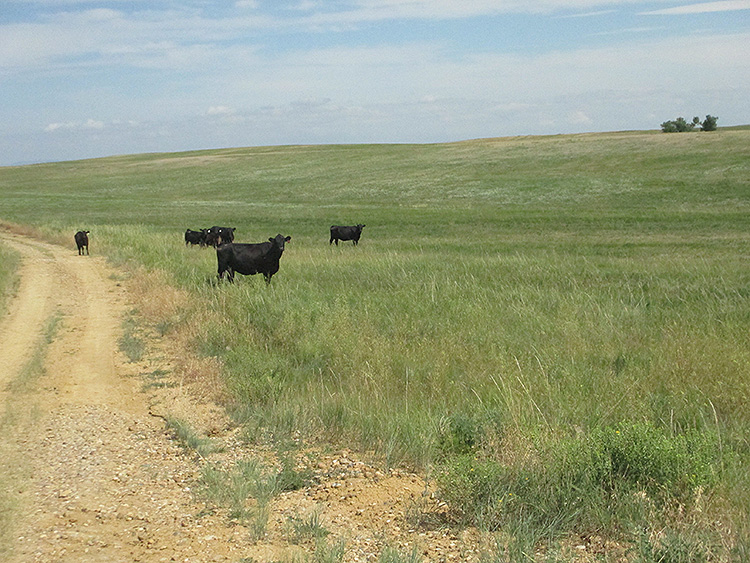
Grazing cattle in eastern Wyoming. Note cattle are black.
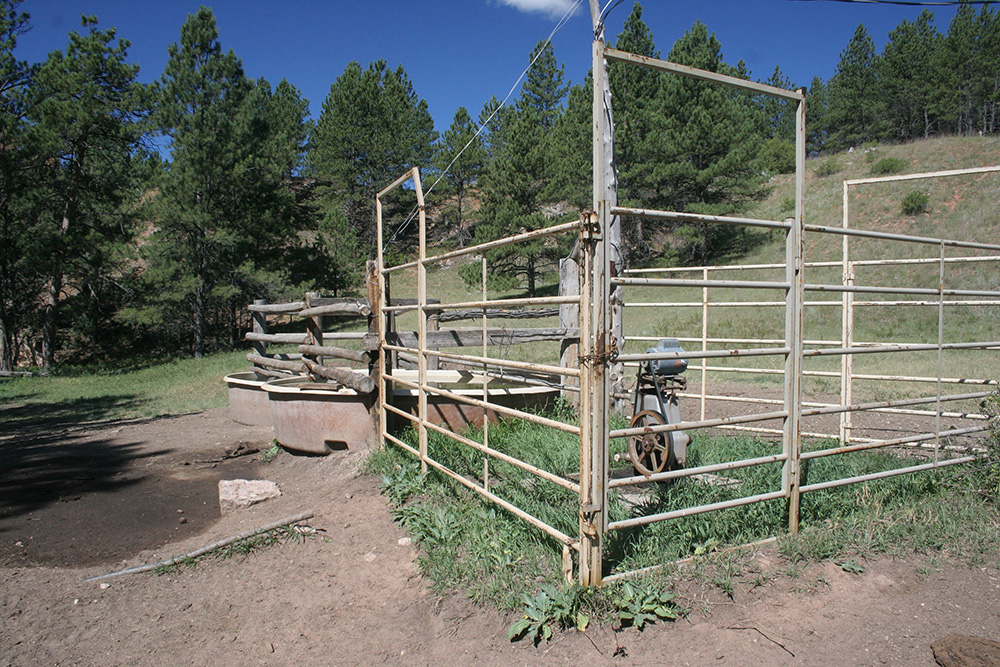
Water source for cattle on USFS grazing land of the western black hills. Who owns this water source?
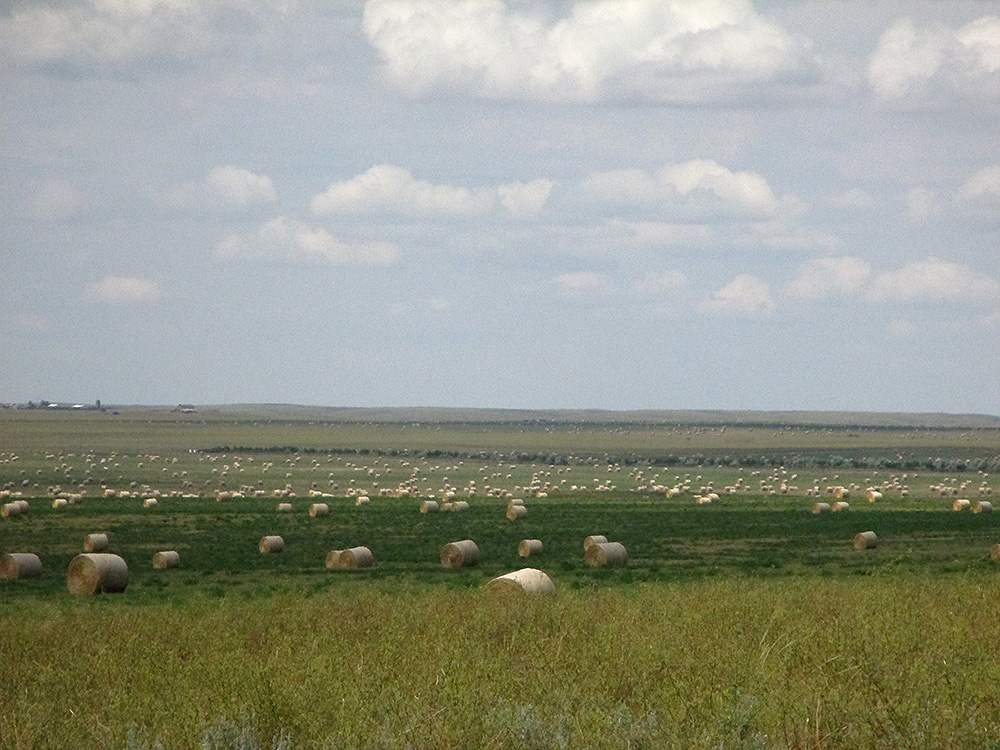
Forage being harvested for fall/winter feeding of cattle in eastern Wyoming.
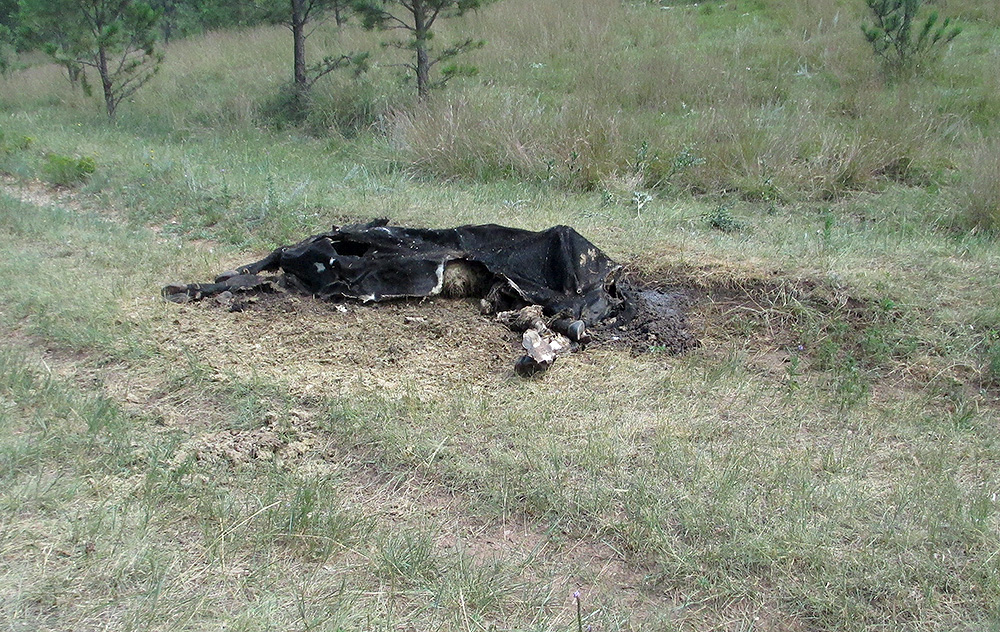
This is what happens to cattle without access to water or consumes poisonous plants. Observed in eastern Wyoming in USFS grazing land of Black Hills.
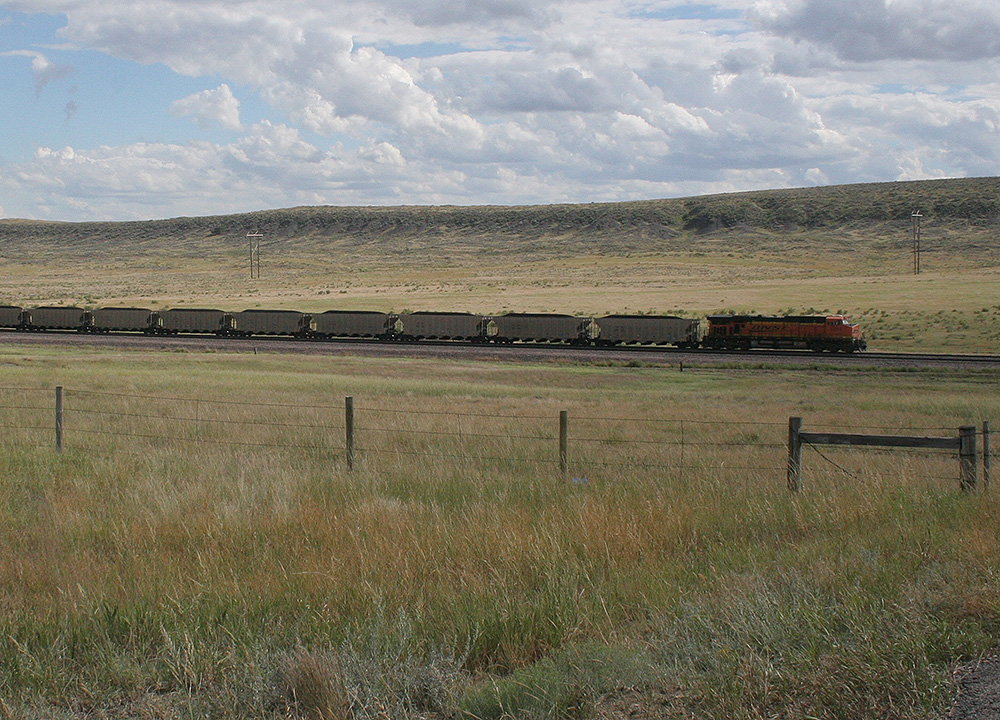
Coal train moving east. A major resource of Wyoming is coal used for electric power plants of the midwest and eastern US.
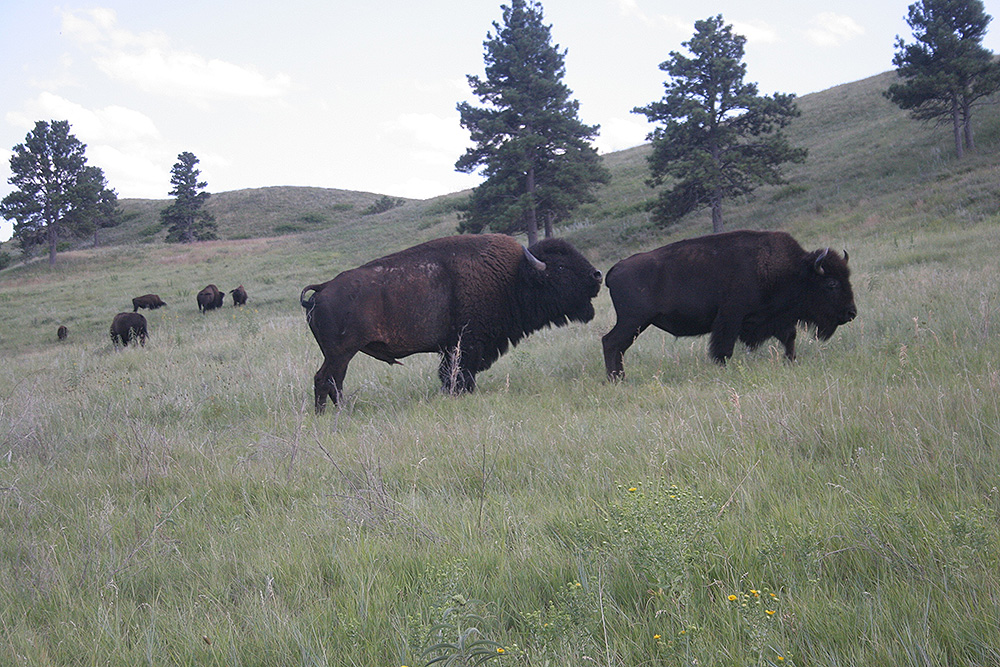
Natural heat detection.
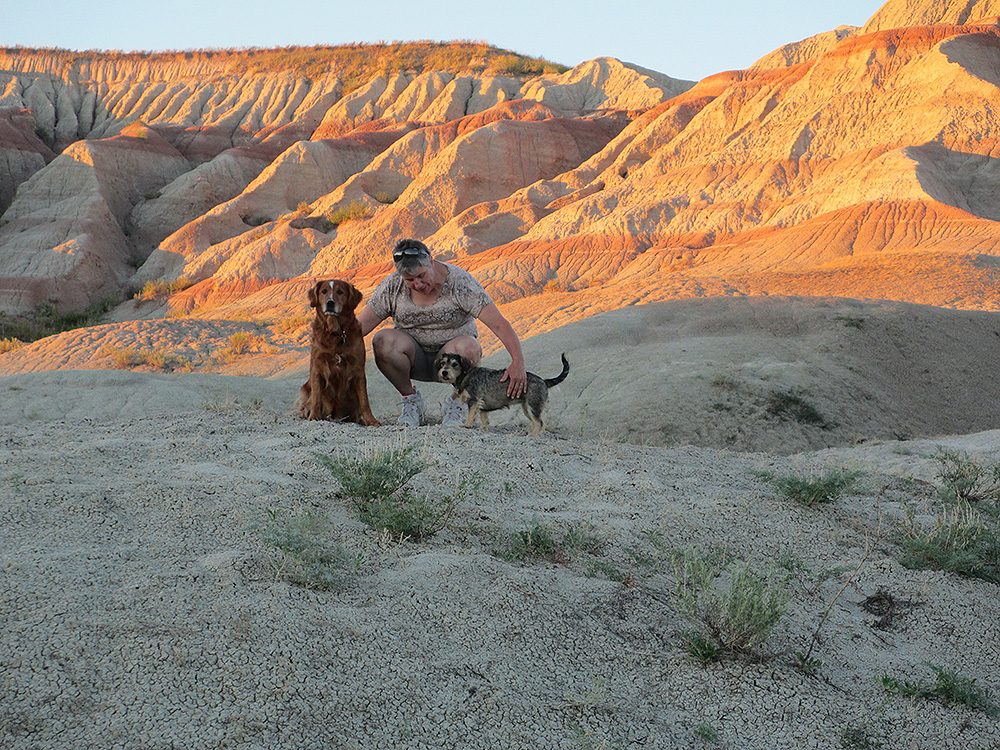
Much of the western US is actually land with very little vegetation such as this.